Côte d’Ivoire’s Potato Imports Jump 45% in Value in First Nine Months of 2026; Netherlands Supplies 70–80%
Côte d’Ivoire remains almost entirely dependent on imported fresh potatoes — domestic cultivation stays below 100 tonnes a year against consumption of 60,000–80,000 tonnes — and import value rose 45% year-on-year in January–September 2026, a USDA report finds.
Côte d’Ivoire remains almost entirely dependent on imported fresh potatoes, with annual imports averaging approximately 62,000 tonnes, according to an October 2026 Foreign Agricultural Service “Potato Market Brief” by the U.S. Department of Agriculture (USDA). Domestic potato cultivation remains below 100 tonnes annually, while estimated national consumption ranges from 60,000 to 80,000 tonnes.
Import value up 45%. Fresh and chilled potato imports reached US$12.58 million in 2025, compared with US$9.90 million in 2024. During January–September 2026, imports increased by 45% in value, reaching US$12.5 million against US$8.64 million in the corresponding period of 2025 — effectively matching the full 2025 total with a quarter still to go, and putting the country on course for a record import year in value terms.
Kwanakin mako. Cire rajista da dannawa ɗaya.
The Netherlands dominates. The Netherlands remains Côte d’Ivoire’s largest potato supplier, accounting for an estimated 70–80% of imports. Dutch shipments reached US$9.18 million during the first nine months of 2026, up 69% from US$5.43 million a year earlier — growth comfortably ahead of the overall import rise, meaning the Dutch share of the market is still expanding. Belgian potato exports to Côte d’Ivoire rose 94% to US$1.25 million over the same period, while imports from Egypt declined 7.5% to US$1.26 million and French shipments fell 18% to US$302,000. Egypt and Morocco are becoming alternative suppliers alongside European exporters, though neither has yet challenged the Dutch-Belgian hold on the segment.
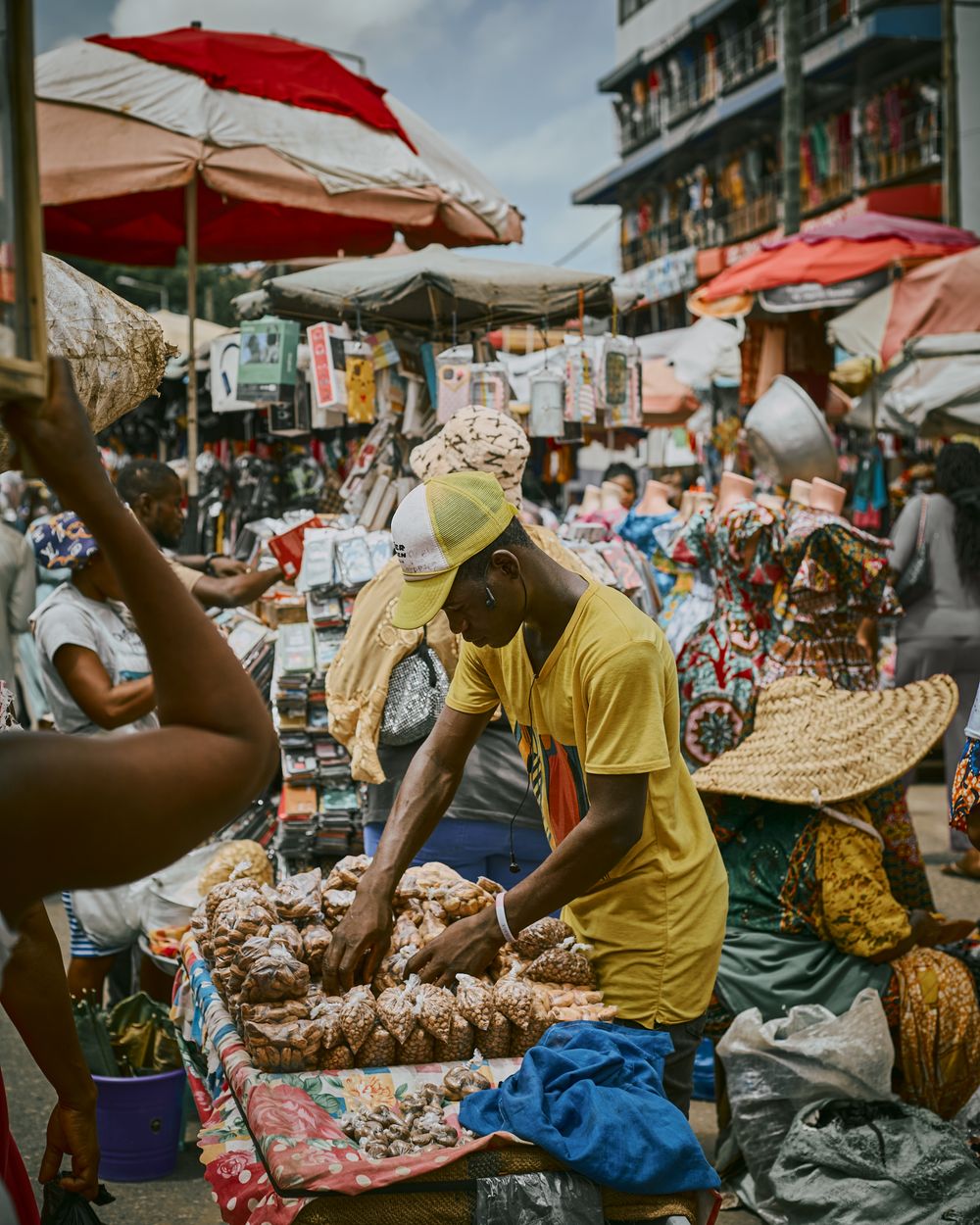
Urban demand drives growth. The USDA attributes rising potato demand to urbanization, changing consumption patterns and the expansion of foodservice businesses. Fresh potatoes are increasingly used in urban households, particularly in Abidjan, Bouaké and Yamoussoukro, where the average retail price is estimated at US$1.17 per kilo — affordable by regional standards and stable enough to keep potatoes anchored in the urban diet.
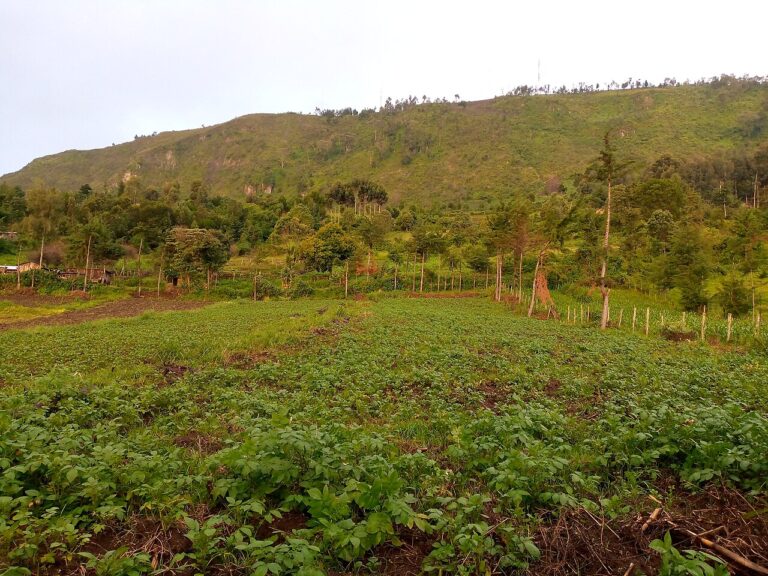
Why local production lags. Local cultivation remains constrained by climate: potatoes need cooler growing temperatures, while much of the country experiences tropical heat and humidity. The northern regions, particularly around Korhogo, offer more suitable conditions during the cooler dry season, though irrigation is required. Growers also face limited access to certified seed potatoes and cold storage infrastructure; imported seed tubers, fertilizers and crop protection inputs can account for 40–60% of operating costs, and inadequate refrigerated storage raises postharvest losses before potatoes reach urban markets. Fresh-ware imports face a 20% customs duty alongside additional taxes and levies.
The USDA concludes that imports will remain central to meeting Côte d’Ivoire’s fresh potato requirements while domestic cultivation faces climatic, input-supply and storage constraints — which makes the country one of West Africa’s most straightforward growth markets for Dutch and Belgian exporters, and an increasingly contested one as Egypt and Morocco push in from the north.
Sources: FreshPlaza (USDA GAIN); background on Dutch sector interest: Agroberichten Buitenland (Dutch government).